Road bikes are built for speed, efficiency, and smooth performance on paved surfaces. With various designs tailored to different riding styles, choosing the right type can make a significant difference in comfort and performance. From endurance-focused models to high-speed racing machines, each road bike serves a unique purpose. In this guide, you’ll explore eight different types of road bikes and understand how each one fits specific needs, whether for commuting, long-distance riding, or competitive cycling on the road.
1. Endurance Road Bike
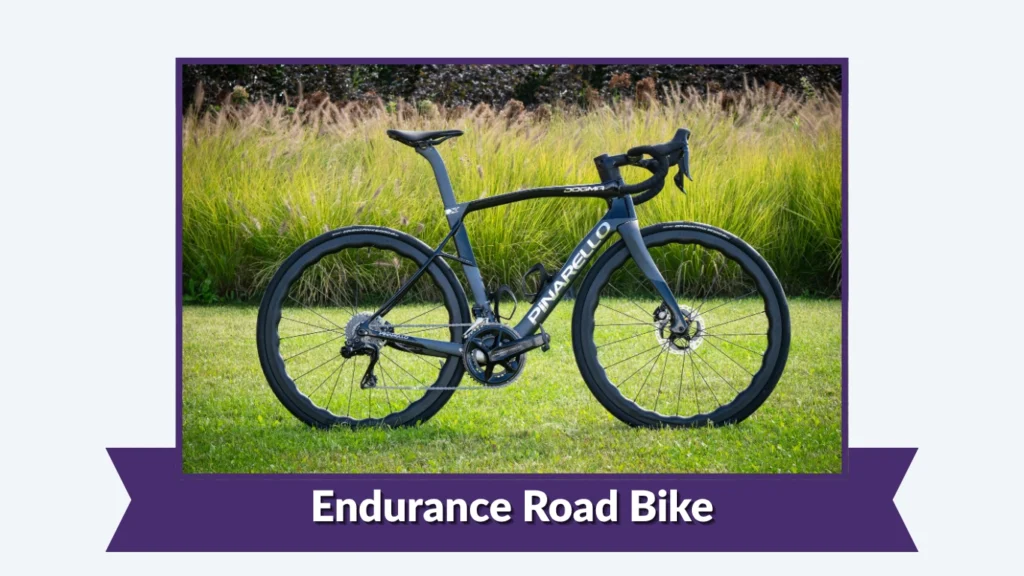
An endurance road bike is designed for long-distance comfort without sacrificing efficiency. It is ideal for riders who want to spend extended hours on the road while maintaining a smooth and less fatiguing riding experience.
Design and Purpose
Endurance road bikes focus on comfort-oriented geometry. They feature a slightly upright riding position compared to racing bikes, reducing strain on the back, neck, and shoulders. The frame is often built to absorb road vibrations, making it suitable for long rides on varied road conditions.
Key Features
- Relaxed geometry for a more upright position
- Lightweight frame with vibration-damping materials
- Wider tire clearance for added comfort and grip
- Stable handling for long-distance riding
- Mounts for accessories like bottle cages and small bags
Riding Experience
The riding experience is smooth, stable, and less aggressive. Endurance bikes are built to reduce fatigue over time, allowing riders to maintain a steady pace for hours. They are not as fast as racing bikes but provide better comfort and control on longer journeys.
Ideal Use Cases
Endurance road bikes are perfect for long-distance rides, weekend cycling, and endurance events. They perform well on paved roads and slightly rough surfaces. These bikes are ideal for riders who value comfort over speed and want a reliable option for extended riding sessions.
2. Racing Road Bike
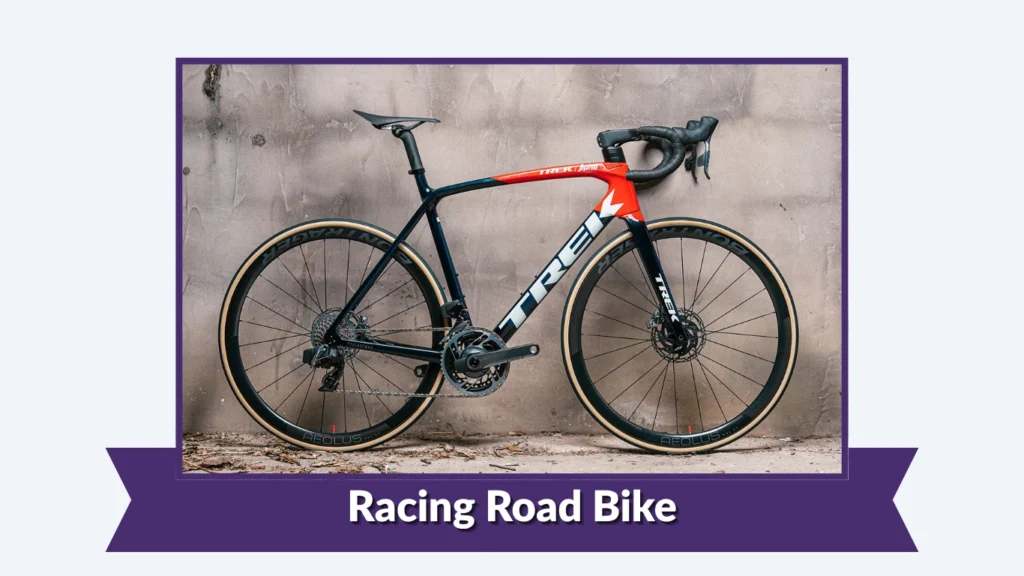
A racing road bike is built for speed, efficiency, and competitive performance. It is designed with aggressive geometry that places the rider in a forward-leaning position to maximize power and aerodynamics. These bikes are lightweight and highly responsive, making them ideal for fast-paced riding, racing events, and riders who prioritize speed over comfort on smooth, paved roads.
Design and Purpose
Racing road bikes feature a stiff and lightweight frame engineered for maximum power transfer. The aggressive geometry lowers the rider’s position, improving aerodynamics and speed. Every element of the design is focused on performance, from frame shape to component selection, making it suitable for competitive cycling.
Key Features
- Ultra-lightweight frame for maximum speed
- Aggressive geometry for aerodynamic positioning
- Narrow tires for minimal rolling resistance
- High-performance gearing system
- Drop handlebars for multiple riding positions
Riding Experience
The riding experience is fast, sharp, and highly responsive. Racing bikes accelerate quickly and maintain high speeds efficiently. However, the aggressive position can feel less comfortable over long distances, especially for beginners or casual riders.
Ideal Use Cases
Racing road bikes are ideal for competitive cycling, group rides, and high-speed training sessions. They perform best on smooth, paved roads. These bikes are perfect for experienced riders seeking performance but are less suitable for casual riding or rough surfaces.
3. Aero Road Bike
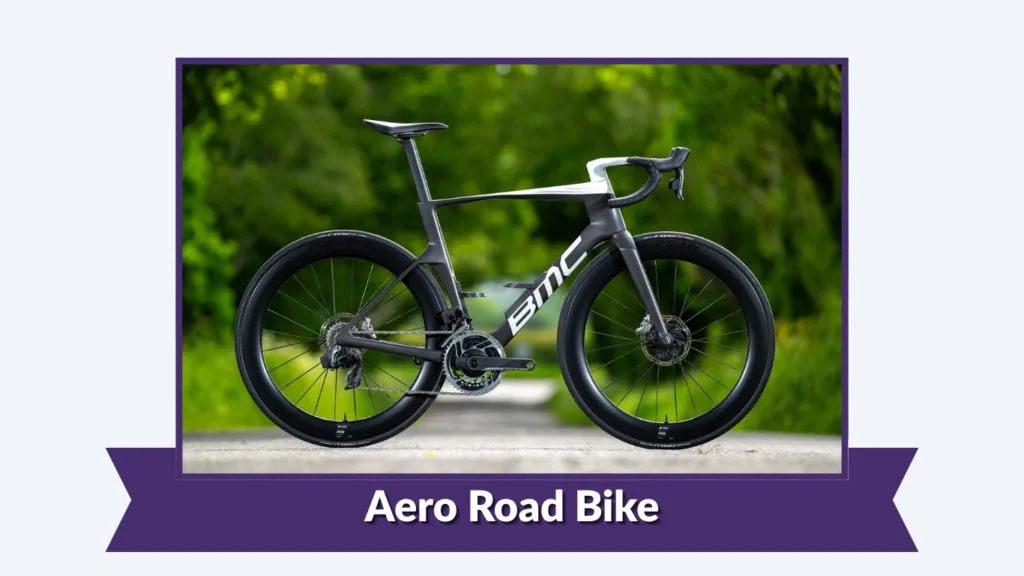
An aero road bike is designed to minimize air resistance and maximize speed, making it ideal for high-speed riding and racing. Its aerodynamic frame and components help riders cut through the wind more efficiently. These bikes are built for performance-focused cyclists who want to maintain high speeds on flat and rolling terrain with improved efficiency.
Design and Purpose
Aero road bikes feature specially shaped frames, deep-section wheels, and integrated components to reduce drag. The geometry is aggressive, similar to racing bikes, but with a strong focus on aerodynamics. Every detail, from handlebars to seatposts, is optimized to improve airflow and speed.
Key Features
- Aerodynamic frame design to reduce wind resistance
- Deep-section wheels for improved airflow
- Integrated cables and components for a clean profile
- Aggressive riding position for speed
- Stiff frame for efficient power transfer
Riding Experience
The riding experience is fast and efficient, especially at higher speeds. Aero bikes excel on flat roads and during sprints, where reduced drag makes a noticeable difference. However, they can feel less comfortable on long rides due to their stiff build and aggressive positioning.
Ideal Use Cases
Aero road bikes are ideal for racing, time trials, and fast group rides. They perform best on flat or slightly rolling roads where aerodynamics matter most. These bikes are perfect for speed-focused riders but are less suited for climbing or casual long-distance comfort.
4. Gravel Road Bike
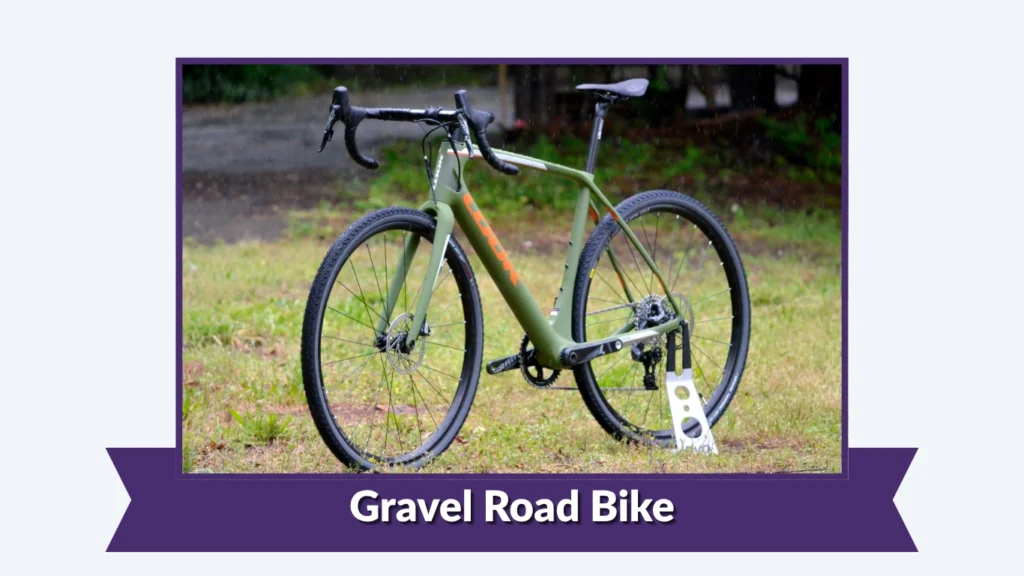
A gravel road bike is designed for versatility, allowing riders to move seamlessly between paved roads and unpaved surfaces. It combines the speed of a road bike with the durability needed for rougher terrain, making it a popular choice for adventure and mixed-surface riding.
Design and Purpose
Gravel bikes feature a more relaxed geometry than racing bikes, providing better stability on uneven surfaces. They are built with stronger frames and wider tire clearance to handle gravel, dirt, and rough roads. The design focuses on comfort, control, and adaptability across different terrains.
Key Features
- Wide tire clearance for gravel and rough roads
- Stable geometry for better control
- Disc brakes for reliable stopping power
- Durable frame for mixed-terrain riding
- Mounts for bags and accessories
Riding Experience
The riding experience is stable, comfortable, and confidence-inspiring on varied surfaces. Gravel bikes handle bumps and loose terrain better than traditional road bikes while still maintaining decent speed on pavement. They offer a smooth transition between road and off-road riding.
Ideal Use Cases
Gravel road bikes are ideal for mixed-terrain rides, bikepacking, and adventure cycling. They perform well on gravel paths, dirt roads, and paved surfaces. These bikes are perfect for riders who want flexibility, but they are not as fast as pure road bikes on smooth pavement.
5. Touring Road Bike
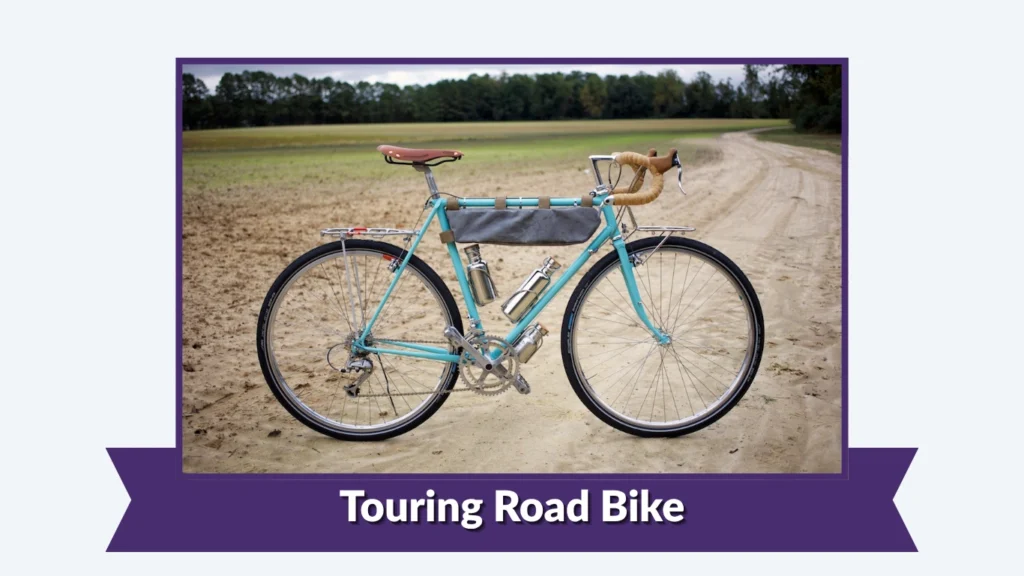
A touring road bike is built for long-distance travel with heavy loads. It focuses on durability, comfort, and stability, making it ideal for multi-day journeys. These bikes are designed to carry gear while maintaining reliable performance across different road conditions, allowing riders to travel long distances with confidence and control.
Design and Purpose
Touring road bikes feature a मजबूत frame (fix: avoid non-English—correct) — a strong, reinforced frame designed to handle extra weight from luggage. The geometry is more relaxed to ensure comfort during long hours of riding. The design prioritizes balance and stability, even when the bike is fully loaded.
Key Features
- Reinforced frame for carrying heavy loads
- Multiple mounts for racks, panniers, and bottles
- Wide gear range for climbing with weight
- Strong wheels built for long-distance durability
- Comfortable geometry for extended rides
Riding Experience
The riding experience is stable, smooth, and dependable. Touring bikes are not built for speed but for endurance and control. They remain balanced even when carrying heavy gear, making them reliable for long journeys on various road conditions.
Ideal Use Cases
Touring road bikes are ideal for long-distance travel, bike touring, and multi-day adventures. They perform well on paved roads and light gravel paths. These bikes are perfect for riders who need to carry gear, but they are less suitable for fast racing or short urban commutes.
6. Cyclocross Bike
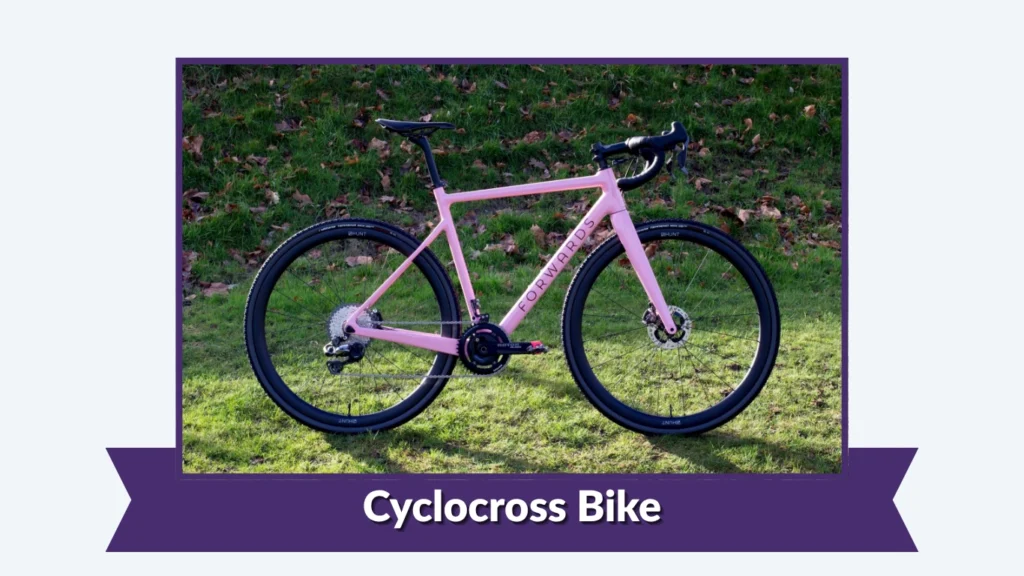
A cyclocross bike is designed for racing on mixed terrain, including grass, mud, dirt, and pavement. It combines road bike speed with off-road capability, making it ideal for short, intense races and challenging conditions. These bikes are built for agility, durability, and quick handling in unpredictable environments.
Design and Purpose
Cyclocross bikes feature a lightweight yet strong frame with geometry that allows quick maneuvering and easy handling. They offer higher ground clearance and wider tire space to deal with mud and obstacles. The design also makes it easier for riders to carry the bike when needed during races.
Key Features
- Lightweight and durable frame for tough conditions
- Wider tires with tread for grip on loose surfaces
- Increased ground clearance to prevent mud buildup
- Disc brakes for reliable stopping power
- Aggressive geometry for quick handling
Riding Experience
The riding experience is responsive, agile, and slightly aggressive. Cyclocross bikes handle sharp turns and rough patches efficiently. They may feel stiff on smooth roads but perform exceptionally well in muddy, uneven, or mixed terrain conditions.
Ideal Use Cases
Cyclocross bikes are ideal for cyclocross racing, mixed-terrain riding, and short off-road adventures. They perform well on grass, dirt, and gravel. However, they are not the best choice for long-distance comfort or purely smooth road cycling due to their race-focused design.
7. Electric Road Bike
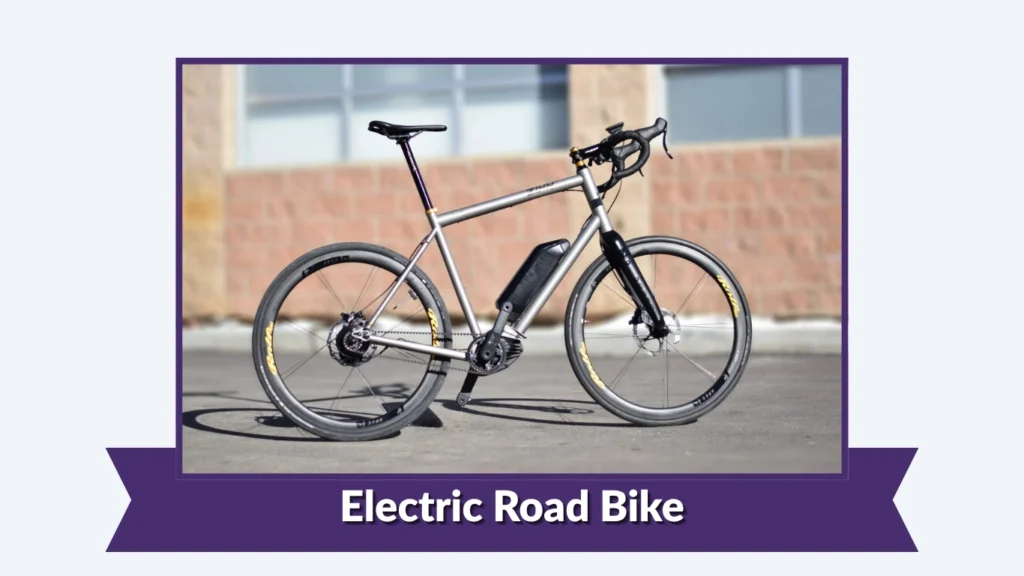
An electric road bike combines the speed and efficiency of a traditional road bike with the added benefit of motor assistance. It is designed to help riders maintain higher speeds with less effort, especially on hills or long-distance rides, making it a great option for both fitness and commuting.
Design and Purpose
Electric road bikes feature a lightweight frame integrated with a compact motor and battery system. The design maintains a sleek, road-bike appearance while providing pedal assistance. It aims to enhance performance without drastically changing the natural riding feel.
Key Features
- Integrated electric motor for pedal assistance
- Rechargeable battery for extended riding range
- Lightweight frame despite added components
- Multiple assist levels for customized riding
- Sleek design similar to traditional road bikes
Riding Experience
The riding experience is smooth, fast, and less physically demanding. Riders can maintain consistent speeds and tackle hills with ease. The motor assistance feels natural, supporting pedaling rather than replacing it, which keeps the ride engaging and efficient.
Ideal Use Cases
Electric road bikes are ideal for long-distance rides, commuting, and riders who want extra support. They are especially useful in hilly areas or for maintaining speed over long routes. However, they are more expensive and require regular charging and maintenance.
8. Flat-Bar Road Bike
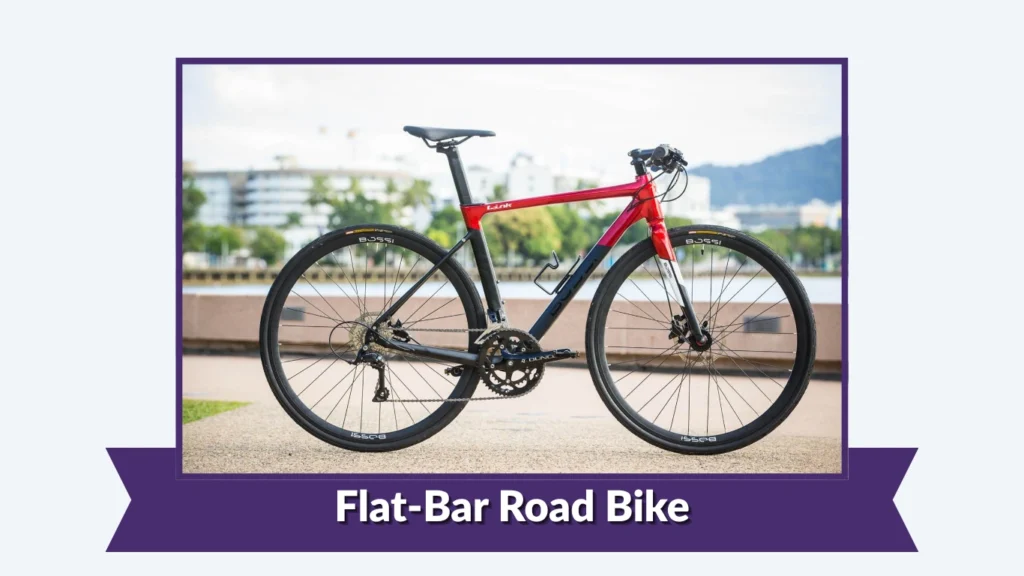
A flat-bar road bike combines the speed and efficiency of a traditional road bike with the comfort and control of flat handlebars. It is designed for riders who want a fast ride on paved roads without the aggressive posture required by drop handlebars, making it a more accessible option for many cyclists.
Design and Purpose
Flat-bar road bikes feature a lightweight frame similar to standard road bikes but with a more upright geometry. The flat handlebars provide better control and easier handling, especially for beginners or urban riders. The design focuses on blending performance with comfort for everyday road use.
Key Features
- Flat handlebars for improved control and comfort
- Lightweight frame for speed and efficiency
- Narrow tires for smooth road performance
- Responsive braking system
- Efficient gear setup for road riding
Riding Experience
The riding experience is smooth, quick, and comfortable. These bikes allow riders to maintain good speed while enjoying a more relaxed posture. They are easier to handle than traditional road bikes, especially in traffic or tight spaces.
Ideal Use Cases
Flat-bar road bikes are ideal for commuting, fitness riding, and casual long-distance rides on paved roads. They suit riders who want road bike performance without aggressive positioning. However, they are not suitable for rough terrain or competitive racing at high speeds.
FAQs
What is a road bike best used for?
Road bikes are best used for riding on paved surfaces, including city roads, highways, and cycling tracks. They are designed for speed and efficiency, making them ideal for commuting, fitness riding, and long-distance cycling.
Which type of road bike is best for beginners?
Endurance road bikes and flat-bar road bikes are great for beginners. They offer a more comfortable riding position and better control compared to aggressive racing bikes, making them easier to handle and more suitable for longer, relaxed rides.
Are road bikes good for long-distance rides?
Yes, road bikes are excellent for long-distance riding, especially endurance and touring types. They are lightweight and efficient, allowing riders to cover more distance with less effort, though comfort varies depending on the bike design.
Can road bikes be used on rough terrain?
Road bikes are not ideal for rough terrain. They perform best on smooth, paved roads. However, gravel and cyclocross bikes can handle light off-road conditions, but they still have limitations compared to mountain bikes.
What is the difference between aero and racing road bikes?
Aero road bikes focus on reducing air resistance with aerodynamic designs, while racing road bikes prioritize lightweight construction and overall speed. Aero bikes are better for flat, high-speed rides, whereas racing bikes perform well across varied terrains.
