
Starting a cycling routine is an excellent way to improve fitness, build endurance, and strengthen your legs without putting excessive stress on your joints. However, beginners often struggle with knowing how long to ride, how often to train, and when to rest. A structured cycling workout plan for beginners makes the process easier and more enjoyable. Whether you ride outdoors or use a stationary bike, this four-week training guide will help you develop stamina, improve cycling performance, and build a consistent exercise routine.
Why Beginners Need a Cycling Workout Plan
A cycling workout plan provides structure and helps new riders improve gradually without pushing too hard. Instead of cycling randomly, beginners can follow a schedule that balances riding intensity, workout duration, and recovery time.Regular cycling supports cardiovascular fitness, muscular endurance, and overall physical health. It can also help with weight management when combined with appropriate nutrition and healthy lifestyle habits.
Following a beginner-friendly workout plan offers several benefits:
- Improves cardiovascular endurance: Helps your heart and lungs adapt to regular exercise.
- Builds leg strength: Engages the quadriceps, hamstrings, calves, and glutes.
- Supports weight management: Increases energy expenditure through regular physical activity.
- Improves cycling confidence: Helps beginners become comfortable with different riding conditions.
- Reduces overtraining risk: Provides recovery periods between challenging workouts.
- Develops consistency: Makes cycling part of a regular fitness routine.
The CDC recommends that adults gradually work toward at least 150 minutes of moderate-intensity aerobic activity weekly, along with two days of muscle-strengthening exercise.
How to Prepare for Your First Cycling Workout
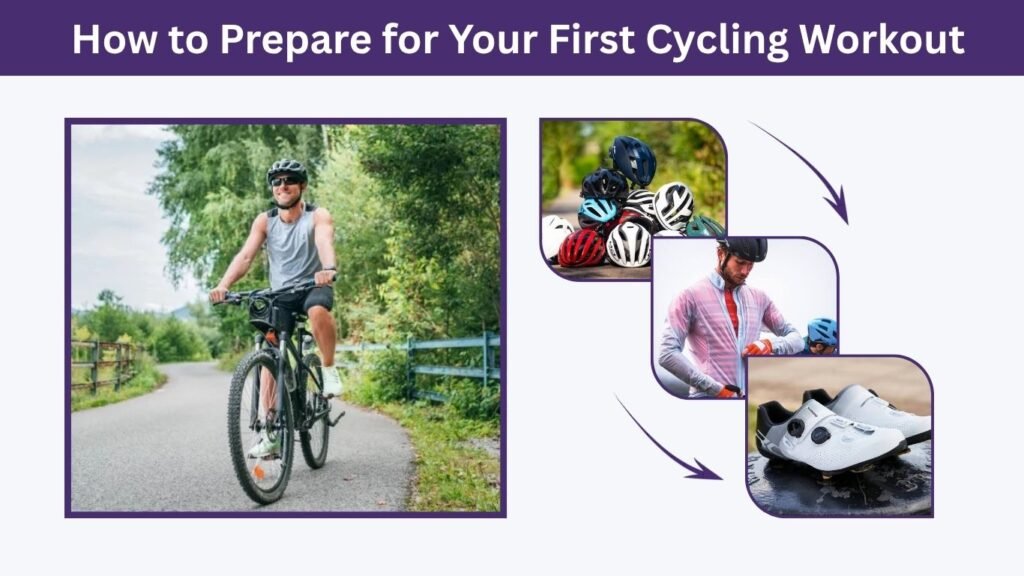
Before beginning a cycling workout plan, preparing your bicycle, equipment, and body is essential. Proper preparation improves comfort, reduces preventable injuries, and makes training more enjoyable.
Choose the Right Bicycle
Beginners can start with a road bike, hybrid bike, mountain bike, or stationary exercise bike. The best option depends on your riding environment and personal preferences.A hybrid bike is suitable for recreational cycling and everyday fitness. Road bikes are efficient for paved surfaces, while stationary bikes offer a convenient indoor workout option.Regardless of the bicycle type, ensure the frame and saddle fit your body comfortably.
Essential Cycling Equipment
Having basic cycling equipment makes beginner workouts safer and more comfortable.
- Cycling helmet: Choose a properly fitted helmet for outdoor riding.
- Comfortable clothing: Wear breathable clothing that allows movement.
- Cycling shoes: Use shoes that provide a secure grip on the pedals.
- Water bottle: Carry drinking water during workouts.
- Bike lights: Improve visibility in low-light conditions.
- Cycling gloves: Help improve grip and hand comfort.
Warm Up Before Cycling
Spend approximately 5–10 minutes pedaling at an easy pace before increasing your effort. This allows your muscles and cardiovascular system to adjust gradually.After finishing, cycle slowly for another five minutes to cool down. Gentle stretching afterward can also help maintain flexibility.
4-Week Cycling Workout Plan for Beginners
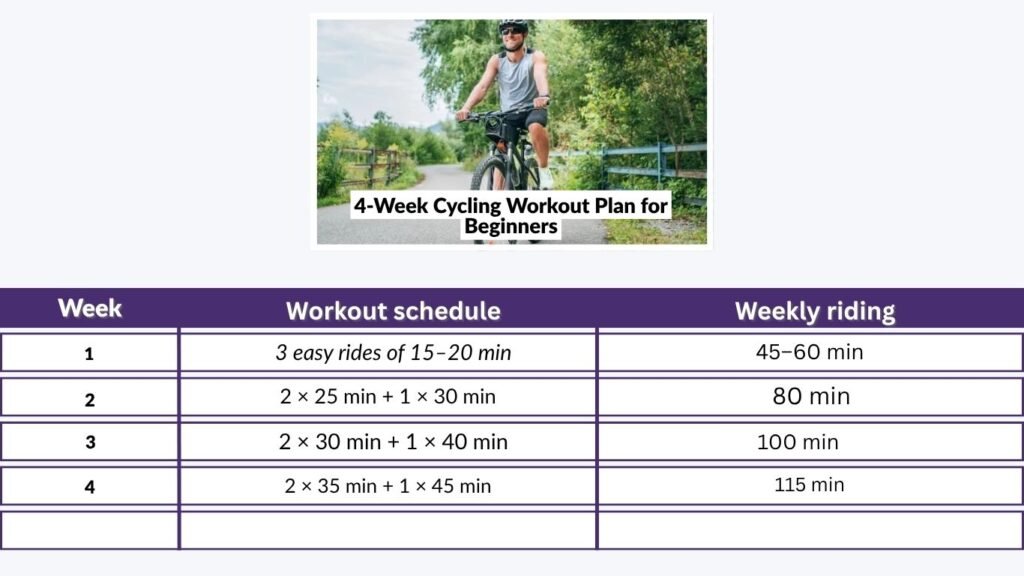
A four-week cycling workout plan helps beginners gradually increase riding duration and develop basic endurance. The following schedule includes easy rides, longer sessions, controlled intervals, and recovery days.
BEGINNER TRAINING SCHEDULE
| Week | Workout schedule | Weekly riding |
| 1 | 3 easy rides of 15–20 min | 45–60 min |
| 2 | 2 × 25 min + 1 × 30 min | 80 min |
| 3 | 2 × 30 min + 1 × 40 min | 100 min |
| 4 | 2 × 35 min + 1 × 45 min | 115 min |
Durations include warm-up and cool-down. Keep at least one recovery day between rides when possible. Adjust the schedule to your current fitness level.
Week 1: Build Basic Cycling Confidence
The first week focuses on becoming comfortable with pedaling, balancing, braking, and maintaining a relaxed riding position.Complete three easy cycling workouts lasting 15–20 minutes each. Choose flat roads, dedicated cycling paths, or a stationary exercise bike.Maintain a comfortable pace that allows you to speak without difficulty. Avoid steep hills and intense efforts during this introductory stage.The main goal is not speed or distance. Instead, concentrate on smooth pedaling, proper posture, and completing each workout comfortably.
Week 2: Increase Cycling Duration
During the second week, increase your riding time slightly to improve cardiovascular endurance.Complete two 25-minute rides and one 30-minute ride. Maintain a steady pace for most of each session.Practice shifting gears when approaching gentle slopes or changes in terrain. Learning to select comfortable gears helps prevent unnecessary leg fatigue.Take recovery days between riding sessions, especially if you experience muscle soreness. By the end of this week, cycling should begin to feel more natural.
Week 3: Introduce Interval Training
Week three introduces gentle interval training to improve fitness and cycling efficiency.Complete two 30-minute sessions and one 40-minute endurance ride. During one shorter workout, include three controlled intervals:
- Pedal comfortably for five minutes.
- Increase to a moderately challenging pace for two minutes.
- Return to easy cycling for three minutes.
- Repeat the faster and slower periods three times.
- Finish with easy pedaling.
Keep the faster efforts controlled rather than sprinting. Beginners who are still adapting can continue with steady riding instead.
Week 4: Build Endurance and Consistency
The final week focuses on developing the confidence to complete longer cycling sessions.Schedule two 35-minute rides and one 45-minute ride. Maintain a sustainable pace throughout the longer workout.You can include a few gentle hills or short moderate-effort intervals if you feel comfortable. However, avoid increasing both workout intensity and duration aggressively.By the end of four weeks, many beginners will notice improvements in riding comfort, stamina, and confidence. Continue progressing gradually rather than rushing into longer distances.
Best Cycling Workouts for Beginners
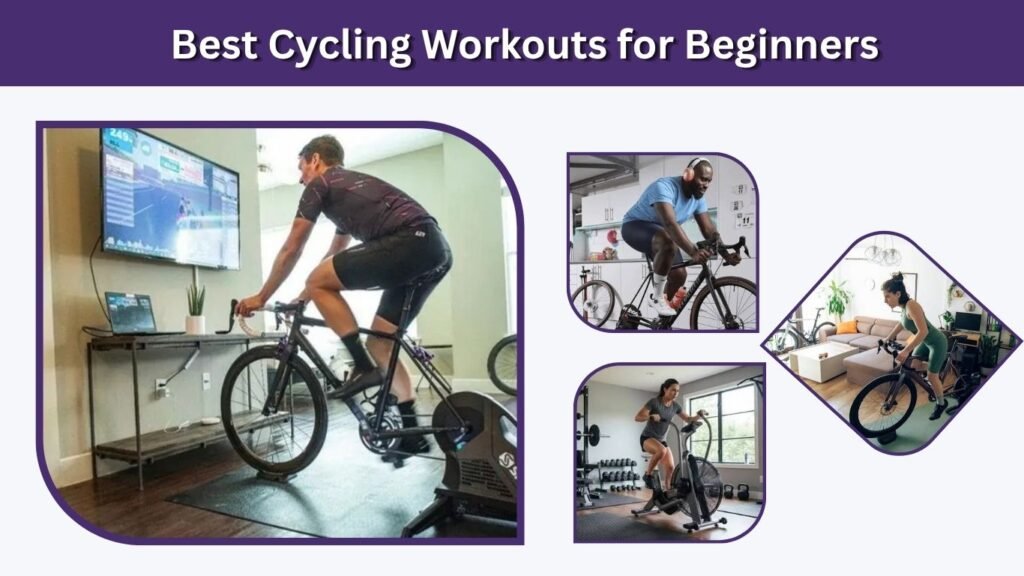
Different cycling exercises offer different fitness benefits. Combining easy cycling, endurance rides, and occasional intervals provides a balanced training routine.
Easy-Pace Cycling Workout
Easy-pace cycling is ideal for beginners developing basic fitness. Ride for 15–30 minutes at a comfortable speed while maintaining smooth, consistent pedaling.This workout helps improve aerobic fitness without creating excessive fatigue. It is particularly useful during the first few weeks or on lighter training days.
Steady Endurance Cycling Workout
Endurance cycling involves maintaining a consistent, manageable pace for an extended period.Beginners can start with 20–30 minutes and gradually increase toward 45–60 minutes as their fitness improves.The objective is to maintain steady effort rather than chase maximum speed. This workout develops stamina and prepares riders for longer recreational cycling trips.
Beginner Cycling Interval Workout
Interval cycling alternates between slightly challenging efforts and easier recovery periods.For example, cycle at a moderate pace for two minutes, followed by three minutes of gentle pedaling. Repeat the sequence three or four times.This approach adds variety and helps improve fitness while keeping the workout manageable. Avoid all-out sprints until you have developed a stronger fitness foundation.
How Hard Should Beginners Cycle?
Understanding workout intensity is important because cycling too hard too soon can cause excessive fatigue and reduce motivation.A simple way to monitor effort is the talk test, which estimates intensity based on your breathing and ability to speak.
| Intensity | How it feels | Best use |
| Easy | Can speak comfortably | Warm-up and recovery |
| Moderate | Can talk but not sing comfortably | Regular training |
| Hard | Can only say a few words | Advanced workouts |
Most beginner cycling sessions should remain within the easy-to-moderate range. The talk test is a practical way to judge exercise intensity without a heart-rate monitor.
How to Improve Cycling Endurance as a Beginner
Building cycling endurance takes patience and consistent training. Rather than focusing only on riding faster, beginners should gradually improve their ability to cycle comfortably for longer periods.
Here are several effective strategies:
- Increase riding time gradually: Add a small amount of time as workouts become easier.
- Maintain a steady cadence: Pedal smoothly instead of pushing unnecessarily heavy gears.
- Stay consistent: Aim for approximately three cycling workouts weekly when starting.
- Include recovery days: Give your muscles adequate time to recover.
- Practice proper breathing: Maintain relaxed, controlled breathing throughout rides.
- Track your progress: Record workout duration, distance, and perceived effort.
Consistency matters more than completing one exceptionally long workout. Gradual progression is also central to beginner training guidance from British Cycling.
Nutrition and Hydration for Beginner Cyclists

Proper nutrition supports energy levels, muscle recovery, and overall cycling performance. Beginners do not need complicated supplements or strict diets to benefit from cycling.
What to Eat Before Cycling
For longer or more demanding workouts, eating a light meal or snack beforehand can help maintain energy.Good options include bananas, oatmeal, whole-grain toast, or yogurt. Choose easily digestible foods and avoid large meals immediately before riding.
Staying Hydrated During Workouts
Drink water throughout the day and bring a bottle when cycling. Hydration requirements vary depending on temperature, humidity, exercise intensity, and individual needs.For most short, moderate cycling sessions, water is sufficient. Longer rides in hot conditions may require additional fluids and electrolytes.
Recovery After Cycling
After a cycling workout, eat a balanced meal containing carbohydrates and protein to support recovery.Examples include rice with chicken, eggs and whole-grain toast, or yogurt with fruit. Adequate sleep and rest days are equally important for fitness development.
Common Cycling Workout Mistakes Beginners Should Avoid
New cyclists sometimes make training mistakes that slow their progress or cause unnecessary discomfort. Understanding these problems helps create a safer and more effective routine.
- Riding too hard initially: Starting with intense sessions can cause excessive fatigue and discourage consistency.
- Skipping warm-ups: Sudden high-intensity efforts may feel uncomfortable before the body adjusts.
- Ignoring bicycle fit: Incorrect saddle height or handlebar positioning can contribute to discomfort.
- Training without recovery: Riding hard every day may increase fatigue and injury risk.
- Using gears incorrectly: Pushing heavy gears unnecessarily can strain your legs.
- Focusing only on speed: Beginners should prioritize technique, endurance, and consistency.
Stop exercising if you experience chest pain, dizziness, or unusual shortness of breath, and seek appropriate medical attention. Those with relevant medical conditions should discuss suitable exercise levels with a healthcare professional.
FAQs
1. How many days a week should a beginner cycle?
Beginners can start with three cycling workouts per week, allowing recovery days between sessions. As endurance improves, they can gradually add riding time or extra sessions depending on their fitness goals.
2. Is 30 minutes of cycling enough for beginners?
Yes. Thirty minutes of cycling is a useful workout for beginners. It can help improve cardiovascular fitness and build endurance, especially when performed regularly at a comfortable or moderate intensity.
3. Can beginners lose weight by cycling?
Cycling can support weight loss by increasing calorie expenditure. However, results depend on overall activity, diet, workout intensity, and consistency. A sustainable routine is generally more effective than occasional intense workouts.
4. Should beginners cycle every day?
Daily cycling is not necessary when starting. Beginners benefit from recovery days that allow muscles to adapt. Gentle riding or other light activities may be suitable between workouts, depending on individual fitness and fatigue levels.
5. How long does it take to build cycling endurance?
Some beginners notice improved comfort and stamina within several weeks of consistent training. More substantial endurance improvements generally require sustained practice over several months, depending on starting fitness and training frequency.
